
Parkinson's Disease
Navigate This Page
Navigate This Page

Understanding the Condition, the Symptoms, and the Path Forward
Parkinson’s disease (PD) is a chronic neurological condition that affects movement, mood, thinking, sleep, and many other body systems. While tremor is often the most visible symptom, Parkinson’s is far more complex—and far more individual—than many people realize.
This page offers a clear overview of Parkinson’s disease and connects you to trusted, in-depth resources created by the Wisconsin Parkinson Association to support you at every stage.
Parkinson’s is a medical condition—but it is also a human journey.
Understanding it is the first step toward living well with it.
What Is Parkinson’s Disease?
Parkinson’s disease is caused by the gradual loss of dopamine-producing nerve cells in the brain. Dopamine plays a key role in movement, coordination, motivation, and mood. As dopamine levels decline, communication between the brain and body becomes less efficient.
Important to know:
- Parkinson’s usually progresses slowly
- Symptoms and progression vary widely
- Many people live active, meaningful lives for decades after diagnosis

Symptoms of Parkinson’s Disease
Parkinson’s symptoms are commonly grouped into motor (movement-related) and non-motor symptoms. Non-motor symptoms are common and may appear years before movement changes.

Motor Symptoms
- Slowness of movement (bradykinesia)
- Muscle stiffness or rigidity
- Tremor (often starting on one side)
- Changes in walking or balance
- Reduced arm swing
- Smaller handwriting
- Softer or less expressive speech
Tremor is not required for a Parkinson’s diagnosis.
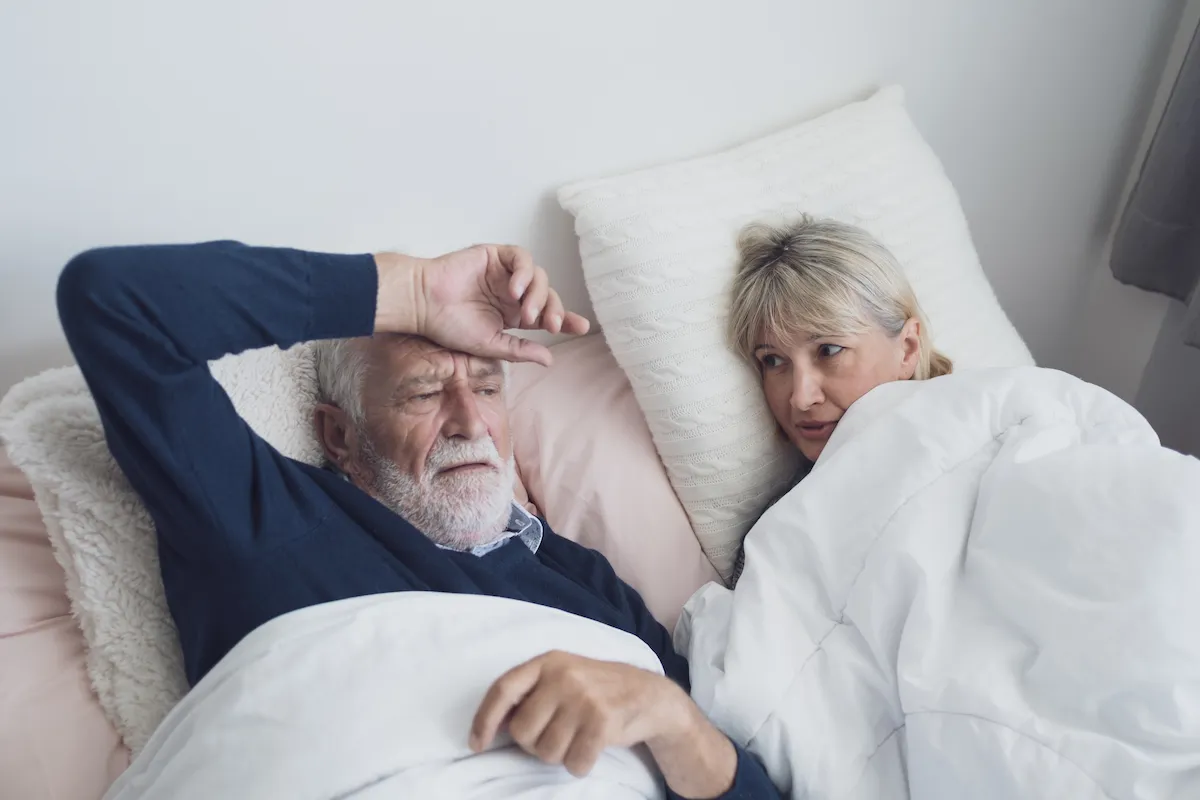
Non-Motor Symptoms
- Fatigue
- Sleep disturbances
- Anxiety or depression
- Cognitive slowing or difficulty multitasking
- Constipation or digestive changes
- Blood pressure changes
- Loss of smell
- Pain or sensory changes
- Visual hallucinations (for some, later in the disease)
Non-motor symptoms are part of Parkinson’s biology and are often treatable when recognized.

How Parkinson's Disease is Diagnosed
Parkinson’s disease is a clinical diagnosis, meaning it is based on symptom history and neurological examination—not a single test.
Diagnosis may include:
- Detailed symptom history
- Neurological examination
- Assessment of movement, balance, and coordination
- Response to Parkinson’s medication (in some cases)
Additional tools may be used when needed:
- MRI
- DaTscan (in select cases)
- Skin biopsy testing for alpha-synuclein (in some settings)
“Parkinson’s is diagnosed by pattern, not by one test.”
Treatment Approaches for Parkinson's Disease
There is currently no cure for Parkinson’s disease, but treatment is highly effective at managing symptoms and supporting quality of life. Most people use a combination of approaches tailored to their symptoms and goals.
Medication
Medication helps:
- Improve movement and flexibility
- Reduce stiffness and slowness
- Manage tremor
- Address non-motor symptoms such as sleep, mood, or hallucinations
Medication plans evolve over time.
Therapy & Rehabilitation
- Physical therapy: walking, balance, strength
- Occupational therapy: daily tasks, energy conservation, home safety
- Speech therapy: voice, swallowing, communication
Advanced Therapies
For some individuals:
- Deep Brain Stimulation (DBS)
- Continuous medication infusion therapies
- Focused ultrasound (in select cases)

Genetics & Parkinson's Disease
Most Parkinson’s cases are not inherited, but genetics can play a role—especially in Young Onset Parkinson’s or families with multiple affected members.
Genetic testing may:
- Identify known gene mutations
- Assist with family planning
- Determine eligibility for research
Genetics cannot predict exact progression or severity.
Exercise: A Powerful Treatment TOol
Exercise is one of the most effective, evidence-based treatments for Parkinson’s disease at every stage.
Regular movement can:
- Improve mobility and balance
- Reduce stiffness
- Support mood and sleep
- Improve cognitive function
- Help maintain independence
Movement is not optional in Parkinson’s—it is therapeutic.

Living Well With Parkinson's
Quality of life with Parkinson’s is strongly influenced by:
- Education and understanding
- Medication optimization
- Regular movement
- Mental health support
- Social connection and community
You do not need to manage Parkinson’s alone.
Support, Education & Community
Through the Wisconsin Parkinson Association, individuals and families have access to:
- Education for every stage of Parkinson’s
- Support groups and peer connection
- Programs for people with
- Parkinson’s and care partners
- Practical tools for daily living and planning ahead
Start Exploring the Resource Library
Guides for Daily Living
Emotional & Mental Health Support
Educational Resources
- Advanced Parkinson's Therapies Beyond Pills
- Cramping, Dystonia & Restless Legs in Parkinson's Disease
- Diagnosis, Genetics & Prognosis
- Eating, Swallowing & Drooling in Parkinson's Disease
- Low Blood Pressure in Parkinson's Disease
- REM Sleep Behavior Disorder (RBD)
- Sleep & Parkinson's Disease
- The Parkinson's Exam - What to Expect
- Traveling with Parkinson's Disease
- Understanding Non-Motor Symptoms of Parkinson's Disease
- Understanding Parkinson's Medications
- Visual Changes in Parkinson's Disease
- Visual Hallucinations, Paranoid Ideation & Behavioral Changes
Connection, Community, & Planning Ahead
- Cognitive Changes, Visual Hallucinations & Behavioral Changes
- Creating a Parkinson’s-Friendly Home
- Medical Visits, Healthcare Planning & Decision-Making
- Mobility, Transfers and Home Safety
- Newly Diagnosed - A Starting Point for Parkinson’s Care Partners
- Nutrition & Medication Management
- The First 90 Days After a Parkinson’s Diagnosis- A Gentle Roadmap for Care Partners
- Tips and Tools for Communication
A Final Thought
Parkinson’s disease changes some things—but it does not take away your worth, your voice, or your ability to live a meaningful life.
With knowledge, support, and the right care, people with Parkinson’s continue to grow, connect, and thrive.