
Care Partners
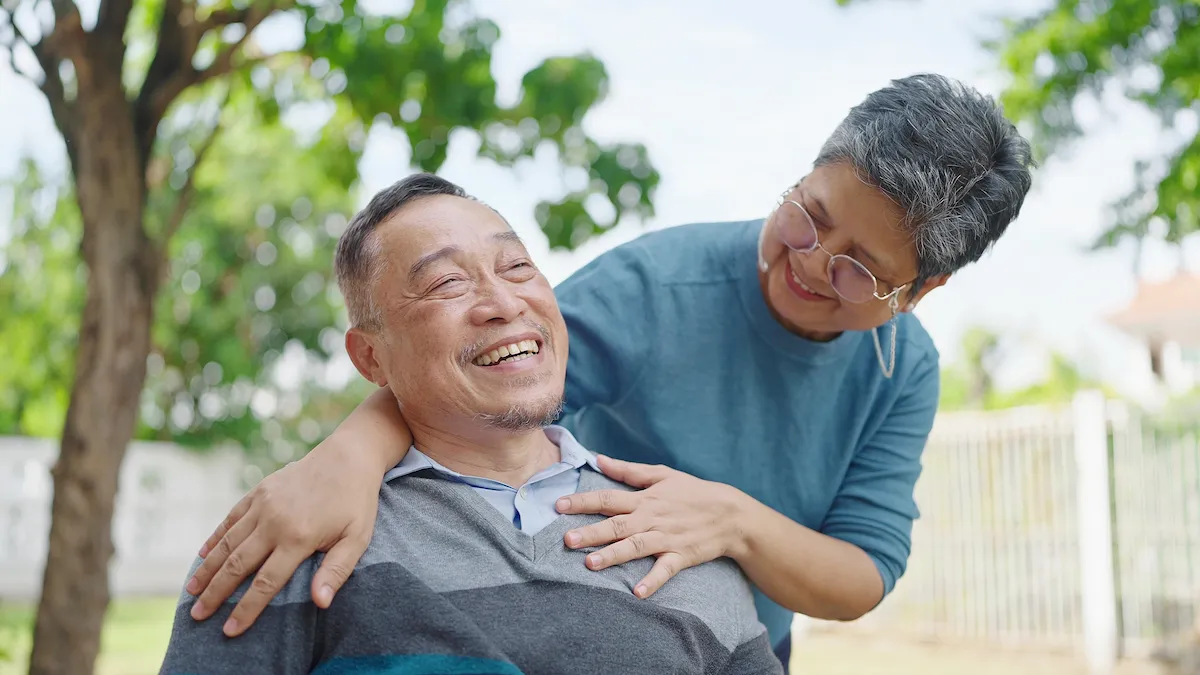
You are not alone
Caring for someone with Parkinson’s can be deeply meaningful—and deeply challenging. Whether you are a spouse, partner, adult child, friend, or family member, caregiving often unfolds quietly, with growing responsibility and little recognition.
At the Wisconsin Parkinson Association, we honor the vital role care partners play. Our goal is to walk alongside you with practical guidance, trusted education, and a compassionate community—so you feel informed, supported, and empowered at every stage of the journey.
Start Exploring the Care Partner Resource Library
A place you can return to—again and again.
Welcome to the WPA Care Partner Resource Library—a growing collection of tools, guides, and educational materials created specifically for Parkinson’s caregivers.
Whether you are newly diagnosed, navigating daily care, planning for future transitions, or tending to your own emotional wellbeing, this library brings together the resources caregivers ask for most.
Explore at your own pace. Save what’s helpful. Come back whenever you need clarity, reassurance, or direction.

How We Support You
Think of this space as your caregiver toolkit—designed to meet you where you are today, and grow with you over time.

Caregiver Guides for Daily Care
Practical, step-by-step support for everyday challenges.
Learn how to navigate:
- Mobility, walking, and transfers
- Nutrition and medication management
- Communication and cognitive changes
- Home safety and fall prevention
Clear guidance you can use right away—written with caregivers in mind.
Explore Caregiver Guides
- Cognitive Changes, Visual Hallucinations & Behavioral Changes
- Creating a Parkinson’s-Friendly Home
- Medical Visits, Healthcare Planning & Decision-Making
- Mobility, Transfers and Home Safety
- Newly Diagnosed - A Starting Point for Parkinson’s Care Partners
- Nutrition & Medication Management
- The First 90 Days After a Parkinson’s Diagnosis- A Gentle Roadmap for Care Partners
- Tips and Tools for Communication

Emotional & Mental Health Support
Because caregiving affects your heart as much as your schedule
Find support for:
- Stress, burnout, and exhaustion
- Grief, guilt, and shifting roles
- Anxiety, sadness, and loss of self
- Building resilience and emotional balance
You are allowed to feel what you feel—and you deserve support, too.
Explore Emotional & Mental Health Resources

Educational Resources
Understand Parkinson’s—without medical jargon
Access easy-to-understand information on:
- Motor and non-motor symptoms
- Treatment options and therapies
- Disease progression and what to expect over time
- How Parkinson’s changes day-to-day life
Knowledge reduces fear and builds confidence.
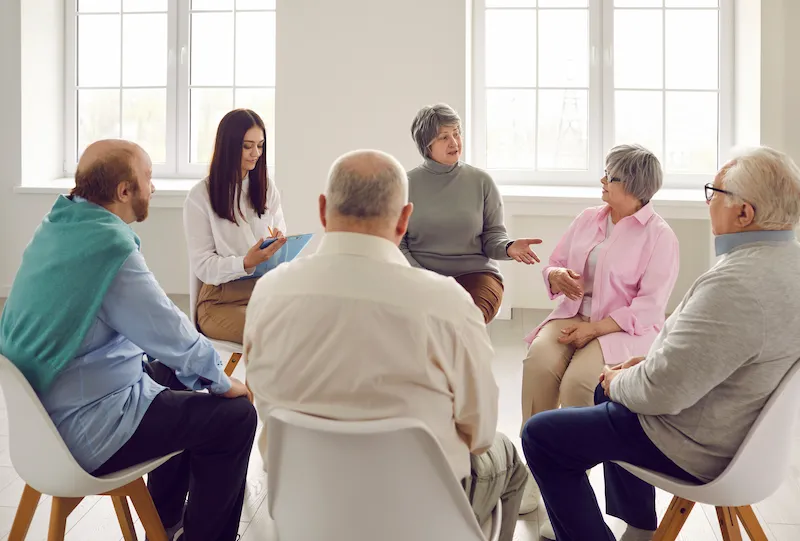
Connection, Community & Planning Ahead
Support now—and preparation for what’s next
Connect with:
- Caregiver support groups and peer networks
- Educational events and expert talks
- Guidance on financial, legal, and healthcare planning
- Tools to help you feel prepared rather than overwhelmed
You don’t have to figure this out alone—or all at once.
Explore Planning & Community Resources
- Care Transitions from Independence to More Support
- Emergency Caregiver Backup Plan Document
- Family Conversation Guide for Care Transitions
- Living Will Form
- POA for Health Form
- POA of Finance and Property Form
- Understanding Care Options & Next Steps
- What Care Partners Wish They Knew Earlier
- What Happens If Something Happens to the Caregiver

Caring for Yourself, Too
Your wellbeing matters.
Caregiving is not sustainable without rest, support, and moments that belong to you. WPA offers resources to help you protect your own health, identity, and sense of balance—so you can continue showing up for your loved one without losing yourself in the process.
Caring for yourself is not selfish. It is essential.
Take the Next Step
Not sure where to begin? These are some of the most helpful places to start:
A Final Word
Caregiving is not a role you train for—it is something you grow into. WPA is here to support you with compassion, credibility, and community—every step of the way.
You are not alone. And you don’t have to carry this by yourself.